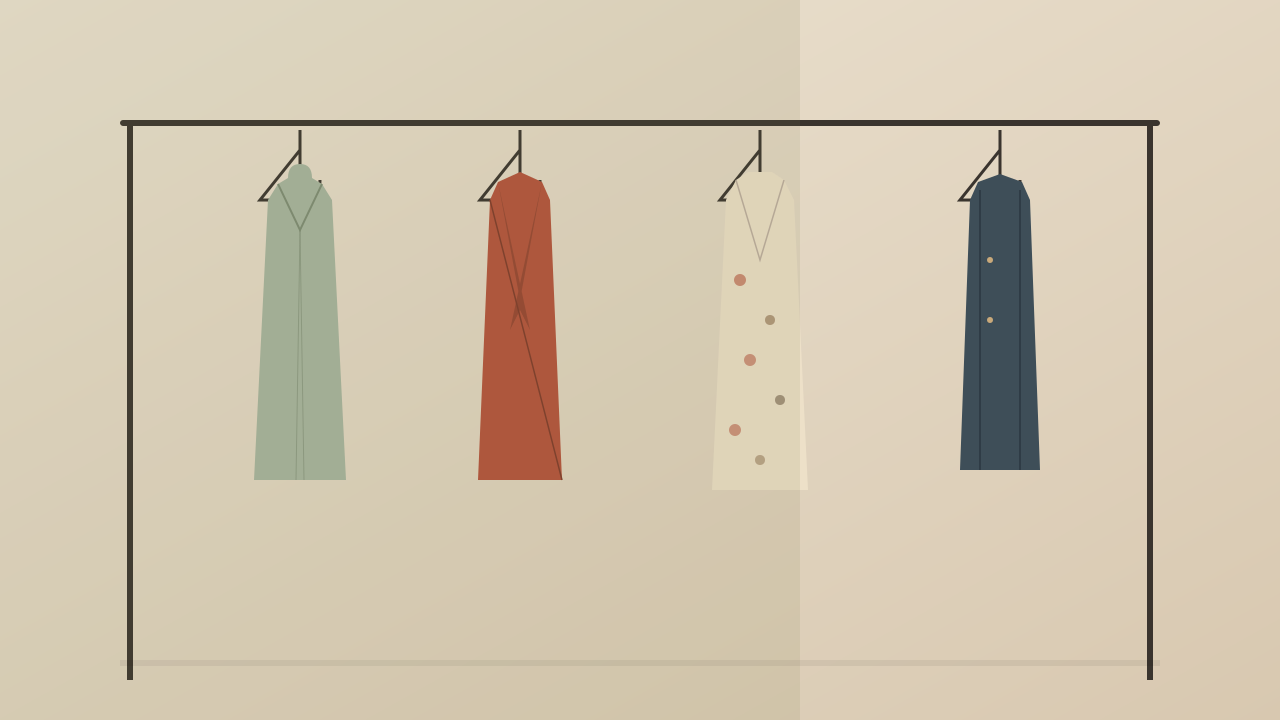
Sustainable fashion isn't a trend — it's a necessary shift in how we think about clothing. The good news: building an eco-friendly wardrobe doesn't mean sacrificing style. Here's how to make choices that are better for the planet and your closet.
Choose Natural and Recycled Fibers
The materials matter most. Prioritize organic cotton, linen, hemp, and Tencel (made from sustainably sourced wood pulp). Avoid virgin polyester and nylon where possible — they shed microplastics with every wash. When synthetics are necessary (for activewear, say), look for recycled versions like rPET.
Invest in Quality, Not Quantity
The most sustainable garment is the one you already own — and the second most sustainable is one you'll wear for years. Buy fewer, better pieces. A $300 wool coat worn for ten winters has a lower environmental cost than five $60 coats discarded after two seasons. Quality construction and timeless design pay off.
Support Transparent Brands
Look for brands that disclose their supply chain, factories, and material sourcing. Certifications like GOTS (Global Organic Textile Standard), Fair Trade, and B Corp provide third-party verification. Demo Fashion Store publishes its factory list and material breakdowns — this level of transparency should be the norm, not the exception.
Care for What You Own
How you care for clothes dramatically affects their lifespan. Wash less (most garments don't need washing after every wear), wash cold, air dry when possible, and repair instead of replacing. A visible mend can be a style statement — see the Japanese art of sashiko embroidery for inspiration.
Embrace Secondhand and Rental
Extend the life of existing garments by shopping secondhand. Vintage and thrift stores offer unique pieces at lower prices, and platforms like Depop and The RealReal make designer resale accessible. For special occasions, consider rental services to avoid buying something you'll wear once.


0 Comments
No comments yet. Be the first to share your thoughts!
Leave a comment